
Seminole County Most Wanted List
Start with the official SCSO Most Wanted endpoint, where the Seminole County Sheriff's Office posts the cases it selects for public attention. The page has sat empty at times. That means little by itself. An empty view doesn't tell you the county has no active warrants, and it says nothing about what appears tomorrow.
Curated is the key word here. SCSO publishes no update schedule for the page, so there's no telling when listings come or go. Until a case card appears, nobody can say whether it will carry a photo, an address, a physical description, or a caution flag. Read whatever fields the live page actually shows and nothing more.
Safety: never approach someone on a wanted list or try to hold them yourself. Call 911 if danger is immediate, and route other tips through SCSO or Crimeline.
Seminole Wanted Page Snapshot
A blank page limits what anyone can claim. Maybe no cases were chosen for display. Maybe the list was being reworked, or something else affected the view. It can't clear a person or erase a court order. Only the agency or the court behind a warrant can confirm its current status.
| Item | What the official source established |
|---|---|
| Official endpoint | An active SCSO Most Wanted page existed. |
| Visible cards | Zero on the August 16, 2026 research date. |
| Listing fields | Not observable because no case card was visible. |
| Photo practice | Not stated or observable in the empty view. |
| Update cadence | No official schedule was found. |
The SCSO wanted page shown in the capture documents that time-sensitive status.
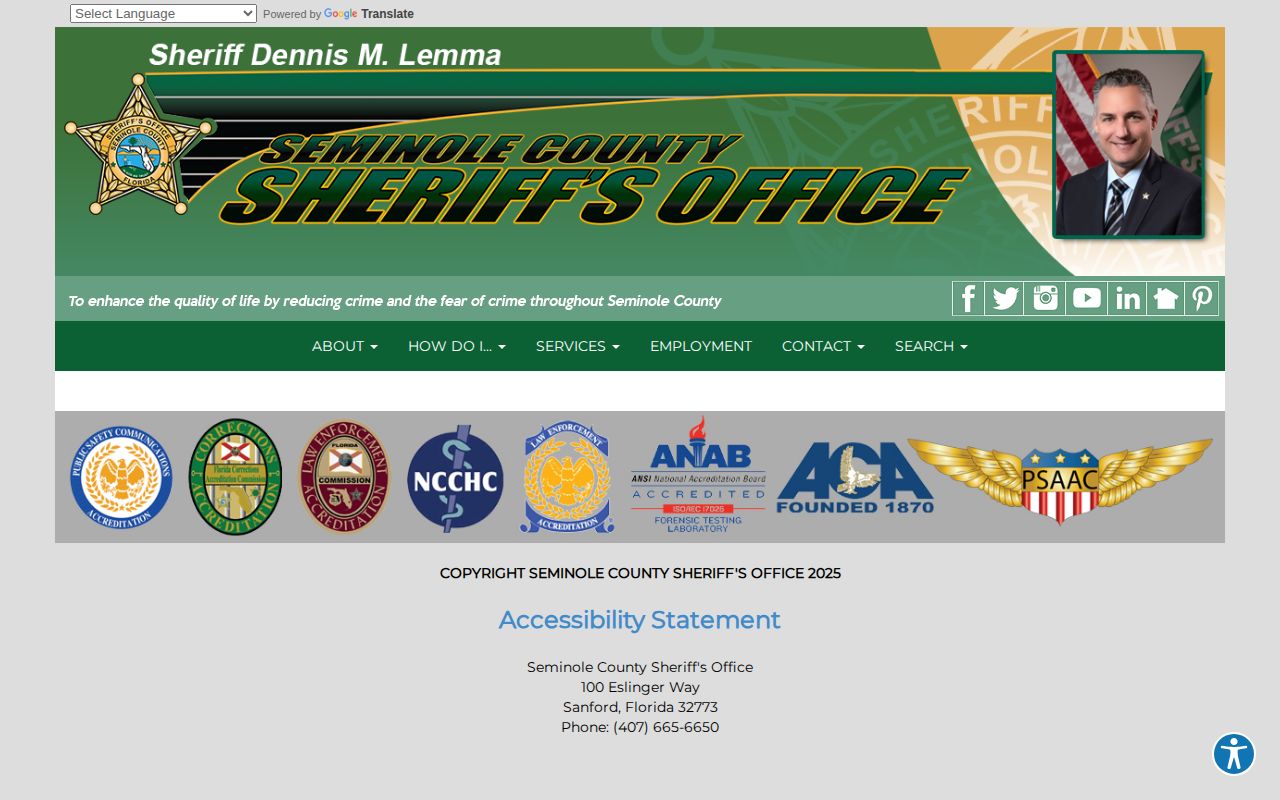
The image shows the official interface as it appeared. It is not a permanent count and proves nothing about warrants left unlisted.
Use Seminole County Wanted Records
Keep three jobs separate: browsing, recognizing, and confirming. The wanted page shows only what SCSO chose to make public. A roster match might reveal a later JEPCF booking. The Clerk can surface a filed case and its docket activity. When a warrant might affect you personally, none of these steps replaces a direct confirmation from the source.
- Open the SCSO wanted endpoint and note the access date because cards can change.
- Read the exact official card without filling in missing fields from another site.
- If the person is recognized, do not approach. Preserve the location or observation and send it through an official tip channel.
- For a later arrest, use the Seminole County booking and roster paths and compare identifiers carefully.
- Use the Clerk criminal docket for filed charges and disposition, since a wanted card or booking record is not the final case result.
Any photo on a future listing belongs on the sheriff's site, not in a copied gallery. Recognizing a face is a weak basis for a match. Names, dates, agency details, and case identifiers are far safer ground for verification.
Check Seminole County Warrants
SCSO offers no general public portal for searching warrants. The Seminole County Clerk criminal case search can surface docket entries and warrant-related activity inside a filed case, though it isn't definitive warrant clearance either. Calling the SCSO main line can route your question. For real answers, a Florida attorney or the right court can confirm and resolve a warrant safely.
- Search the Clerk’s criminal cases with the available name or case number and compare dates and identifiers.
- Read the docket rather than relying on a search-result label. Note that some records may be restricted or unavailable online.
- Call SCSO at its published main number for direction to the responsible unit. Do not assume a blank wanted page clears the name.
- If the matter may concern the person asking, contact counsel, the court, or the responsible agency to confirm status and arrange a lawful resolution.
- For immediate danger or a sighting, use 911. For a nonemergency recognition tip, use SCSO or Crimeline.
Never test a possible warrant by traveling, confronting, hiding, or dodging officers. Warrant details shift after court actions or service. Confirmation comes only from the authority that issued the command.
Seminole Warrant Terms and Limits
The exact document controls. Public searches may use related words without explaining whether the command arose from a new allegation, a filed case, or a later court event. A “capias” is a court command for arrest and appears in SCSO’s records-release policy as one reason an open report may be unavailable. The table gives only a reading framework, not a claim about any person.
| Term | Practical meaning for a check |
|---|---|
| Arrest warrant | A judicial command tied to an alleged offense. Confirm it with the issuing authority. |
| Bench warrant or capias | A court-issued command that can arise within a case. Review the docket and contact the court or counsel. |
| Wanted-list card | A public appeal selected by SCSO. It is not a complete list of all court commands. |
| Docket entry | A court-record event that may provide context but should not be treated as live clearance without confirmation. |
Charges can change or vanish as a case moves, and each count may end differently. Follow the docket through to disposition.
Seminole Wanted Tips and Crimeline
SCSO releases point tipsters to Cripline's anonymous line, with rewards sometimes mentioned. The number is 800-423-TIPS (8477). Reward terms shift, so promise yourself no specific payout. When you call, give what you saw, where, when, and any official case reference you have. Don't investigate, follow, message, or confront anyone.
800-423-TIPS (8477)
Anonymous tip route described in SCSO releases
Seminole County Sheriff’s Office
100 Eslinger Way
Sanford, FL 32773
Main and nonemergency: (407) 665-6650
Emergency danger
Call 911
Anonymity and reward eligibility depend on the tip program's current terms. Use the genuine program or sheriff contact. Never use a number lifted from an unverified post. Broadcasting a suspected location online can tip off the person before law enforcement even weighs the information.
Seminole Wanted Alerts Stay Separate
Seminole County has no verified sheriff jail app. VINELink handles custody-status notifications and nothing more. Don't look to it for warrant checks or wanted photos. SCSO shares selected news through Facebook, press releases, and The Dispatcher newsletter. Ring Neighbors covers community safety, while CommunityConnect was announced for service-response alerts. None of these comes close to a full arrest or warrant list.
The differences matter most after a capture. A wanted appeal may vanish. A county booking may show up in the roster. VINELink may send a custody update, and the docket then picks up filed charges and whatever follows. Each event comes from its own separate system. The VINELink interface covers the custody-notification role alone.
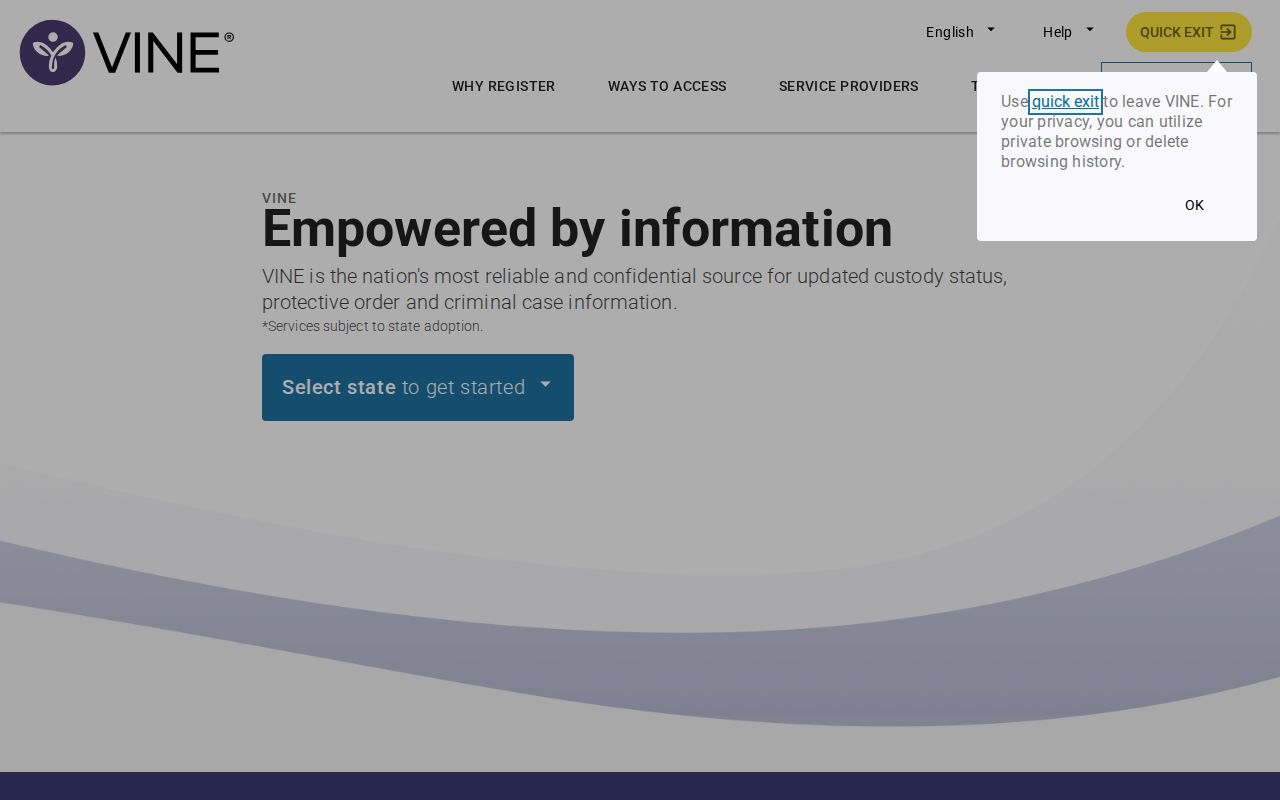
The notification tool can supplement direct confirmation, but it does not prove that a warrant exists or establish a case disposition.
Request Seminole County Warrant Records
Want a real sheriff document from Seminole County? File a records request. Paper is what you get, not answers about live warrants. The Sheriff's Office accepts requests several ways: the portal on its Public Records page, in person, by phone, by email at records@seminolesheriff.org, or by mail. You can visit the Public Records Unit at 100 Eslinger Way, Sanford, FL 32773, or call (407) 665-6690. Walk-in hours run weekdays, 8 a.m. to 5 p.m., except holidays.
Be specific about what you want. Give the person's full name, a sensible date range, and a case or report number if you have one. Ask for an electronic copy and a cost estimate before the deep digging starts. Florida's exemptions allow redactions, and a report tied to a requested capias may be withheld entirely. If the office denies or redacts something, it should cite the exemption it leaned on.
Fees stay modest. Black-and-white copies cost 15 cents per side, 20 cents double-sided. Color runs 25 and 35 cents, and certification adds a dollar. Heavy research might require a deposit. None of that money clears a warrant or speeds up a judge. The Clerk keeps court filings, while SCSO holds the records it created.
Note: a records reply only shows which documents existed when the unit searched; the responsible authority must confirm current warrant status.
Seminole Wanted Allegations and Court Outcomes
A wanted notice is one thing. A warrant is a court's command. A jail booking records an arrest, nothing more. From there, the State Attorney decides what charges to file, and the court tracks what happens next. Charges get amended, dropped, dismissed, pleaded out, or tried. Different counts in one case can end differently too.
Keeping a clean paper trail helps. Save the date you viewed the wanted page, the SCSO booking number if an arrest follows, the arresting agency, and the Clerk's case number. Match names and dates instead of trusting a photo alone.
One more wrinkle: a roster entry does not prove the booking came from the warrant you first saw. Check the agency, booking date, charge, and court case against each other. When someone leaves the John E. Polk Correctional Facility, the custody portal may move the record to Released Inmates while the criminal case rolls on. If the person later lands in state prison, the Florida Department of Corrections becomes the custody source. That is why an old wanted card, a jail record, and a live court docket can all tell different parts of the story.
For current warrant status, check with SCSO. For how a case ended, go to the Clerk.